Skip to content
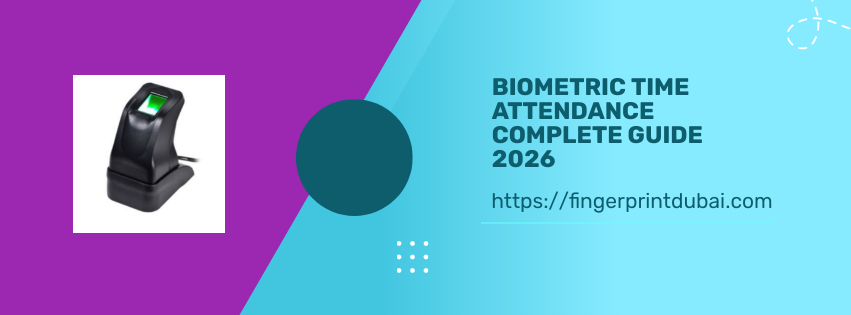
Biometric time attendance complete guide 2026 is the ultimate roadmap for modern businesses looking to eliminate time theft and streamline payroll with surgical precision. In a world where every second translates to a dollar, managing a workforce manually is like trying to catch rain with a sieve. Gone are the days of paper logs and easily shared ID cards that invite “buddy punching” into your office culture. As we navigate 2026, the shift toward biological verification isn’t just a trend; it is a necessity for survival in a high speed economy. This guide breaks down everything you need to know about implementing a system that recognizes your team for who they are, not what they carry.
The End of Buddy Punching and Manual Errors
Traditional timekeeping methods are notoriously easy to manipulate. An employee might text a friend to swipe their card because they are running ten minutes late. This “buddy punching” costs companies billions of dollars globally every single year. A biometric time attendance complete guide 2026 highlights that physical traits cannot be shared or forgotten. When a worker uses their unique fingerprint or facial structure, the data is 99.99% authentic. You aren’t just buying a machine; you are buying the truth about your payroll expenses.
Advanced Facial Recognition with 3D Liveness Detection
The year 2026 has brought us facial recognition technology that feels like science fiction. Older systems could sometimes be fooled by a high resolution photo held up to the lens. Modern biometric time attendance complete guide 2026 solutions utilize infrared depth sensing and AI liveness checks. This means the system can tell the difference between a real human face and a digital screen or a mask. It even works if an employee grows a beard, changes their glasses, or is wearing a safety helmet. The speed is incredible, often verifying a user in under 0.7 seconds, keeping the morning rush moving smoothly.
Contactless Hygiene and the Rise of Iris Scanning
Post pandemic awareness has made “touchless” a primary requirement for many HR departments. Iris scanning is the gold standard for high security and high hygiene environments. Because the iris pattern is stable throughout life and protected by the cornea, it is more accurate than a fingerprint. A biometric time attendance complete guide 2026 notes that iris scanners can work from a distance. This is perfect for hospitals, laboratories, or construction sites where hands might be dirty or covered by gloves. It ensures that the process of clocking in remains sanitary and efficient for everyone involved.
Palm Vein Recognition for Industrial Power
Some industries struggle with fingerprint scanners because of the nature of the work. If your employees are mechanics, bricklayers, or chefs, their fingerprints might be worn down or frequently covered in debris. This is where palm vein recognition shines in our biometric time attendance complete guide 2026. It looks at the vascular patterns underneath the skin, which are impossible to forge and unaffected by surface dirt. It is a “near infrared” technology that maps the internal structure of the hand. For heavy industry, this provides a level of reliability that standard optical scanners simply cannot match.
Cloud Integration and Real Time Workforce Analytics
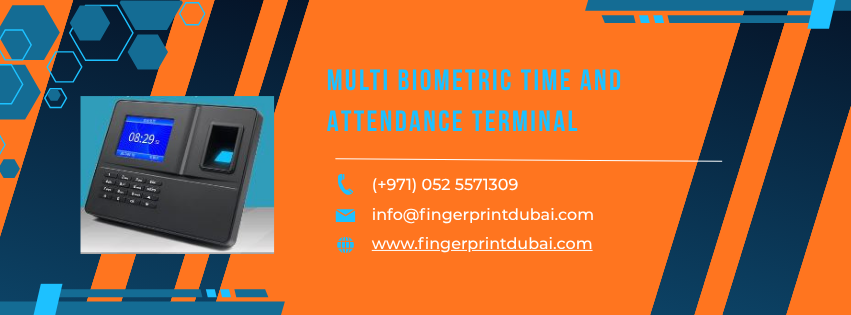
A biometric device is only as good as the software sitting behind it. In 2026, the best systems are fully cloud integrated, allowing managers to see attendance data from their smartphones. If you have multiple office locations or remote sites, you can monitor everything from one central dashboard. The biometric time attendance complete guide 2026 emphasizes the power of real time alerts. You get notified the moment someone is late or if an unauthorized person tries to gain access. This data flows directly into your payroll software, cutting down admin hours from days to minutes. Multi biometric time and attendance terminal complete guide 2026 most powerful insights every business must know Biometric time attendance complete guide 2026 starts with a simple truth that businesses can no longer ignore.
Traditional attendance methods are failing modern workplaces. From buddy punching to payroll fraud, the cracks are obvious.

Biometric time attendance really means in 2026
Biometric time attendance complete guide 2026 shows how companies are fixing this with smarter, data driven systems. What biometric time attendance really means in 2026, Biometric time attendance complete guide 2026 is not just about fingerprint machines anymore? It now includes facial recognition, iris scanning, and even palm vein technology. These systems identify employees based on unique ABM Innovative FZE biological traits. Think of it as turning your body into your RFID card. No cards to lose and no passwords to forget.
Why businesses are switching fast to biometric time attendance?
Biometric time attendance complete guide 2026 highlights a major shift across industries.
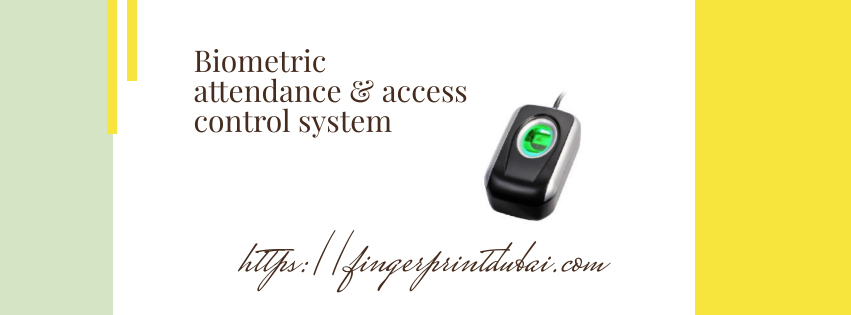
Companies are moving away from manual registers and RFID cards. A retail store in Dubai reduced time theft by 30 percent after switching to biometric systems. Accuracy and automation are driving adoption at scale. HR teams now trust real time data instead of manual logs. Key technologies behind biometric systems Biometric time attendance complete guide 2026 focuses on four dominant technologies. Fingerprint recognition remains cost effective and widely used. Facial recognition is gaining popularity due to contactless operation. Iris scanning offers high accuracy for high security environments.
Palm vein technology provides advanced fraud prevention.
Each technology serves a different business need. Choosing the right one depends on environment and workforce size. Contactless attendance is the new standard Biometric time attendance complete guide 2026 strongly emphasizes contactless solutions. Post pandemic workplaces prefer touch free systems.
Facial recognition systems can identify employees in seconds even with masks or glasses. This improves both hygiene and speed. Offices with high employee traffic benefit the most.
Integration with payroll and HR systems
Biometric time attendance complete guide 2026 shows how integration is a game changer.
Attendance data now flows directly into payroll software. No manual calculations and fewer errors.
For example, late arrivals and overtime are automatically recorded. This reduces HR workload and improves compliance.

Cloud based systems are taking over
Biometric time attendance complete guide 2026 reveals a strong shift toward cloud platforms.
Businesses no longer rely on local servers. Cloud systems allow access from anywhere at any time.
Managers can monitor attendance across multiple branches in real time. This is especially useful for companies in Sharjah with distributed teams. Real time tracking improves decision making Biometric time attendance complete guide 2026 explains how real time data changes management. Supervisors can instantly see who is present or absent. This helps in shift planning and resource allocation.
A logistics company can quickly adjust workforce based on live attendance data. Decisions become faster and more accurate.
Security benefits beyond attendance
Biometric time attendance complete guide 2026 goes beyond just tracking time.
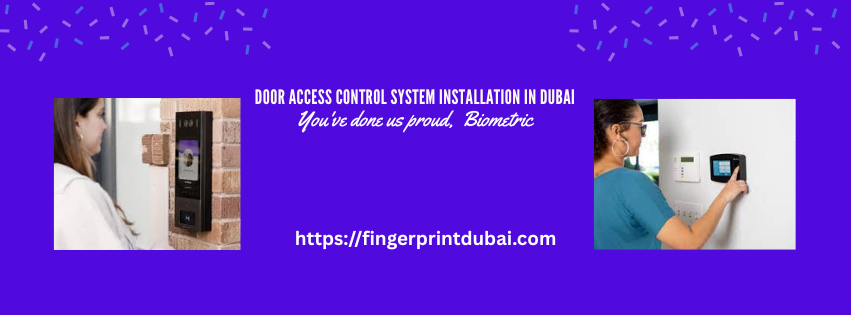
These systems also enhance access control. Only authorized employees can enter restricted areas.
This reduces internal security risks. Biometric authentication is harder to fake compared to cards or PINs. Challenges businesses must consider Biometric time attendance complete guide 2026 is not complete without addressing challenges. Initial setup cost can be higher than traditional systems. Data privacy concerns must be handled carefully. System calibration and maintenance require planning. However, long term benefits usually outweigh these concerns.
Biometric Compliance and data protection in 2026
Biometric time attendance complete guide 2026 highlights strict data protection requirements.
Businesses must store biometric data securely. Encryption and secure servers are essential.
Regulations in the UAE are becoming more structured around employee data. Transparency with employees builds trust. Choosing the right system for your business Biometric time attendance complete guide 2026 suggests a practical approach. Small offices can start with fingerprint systems. Medium businesses benefit from facial recognition. Large enterprises should explore multi biometric solutions. Always consider scalability and integration options. A wrong choice can limit future growth.

Future trends shaping biometric attendance
Biometric time attendance complete guide 2026 points toward AI driven advancements.
Systems are becoming smarter with behavior analysis. Face recognition accuracy continues to improve in low light conditions. Mobile based biometric attendance is also growing rapidly. Employees can check in using their smartphones with biometric verification. Biometric time attendance complete guide 2026 clearly shows that attendance systems are evolving into intelligent workforce management tools.
Businesses that adopt early gain better control, improved accuracy, and stronger security.
FAQ: Navigating the Biometric Landscape
Q: Can biometric data be stolen or hacked?
A: Modern systems do not store actual images of your face or fingerprints. They convert your biological traits into an encrypted mathematical string or a “template.” Even if a hacker accessed the database, they would find only code that cannot be reversed into a human image.
Q: Is a biometric time attendance complete guide 2026 relevant for small businesses?
A: Absolutely, because even a small business loses money to time tracking inaccuracies. The cost of biometric hardware has dropped significantly, making it accessible for a 10 person office. The return on investment usually happens within the first six months due to payroll savings.
Q: What happens if the internet goes down?
A: Most 2026 devices have a robust internal memory called “offline mode.” They will continue to record every punch in and punch out locally. Once the connection is restored, the device automatically syncs all the data to the cloud.
Q: How do employees feel about privacy?
A: Transparency is the key to successful implementation. Explain to your team that the system is used for payroll accuracy and that their actual images are never stored. Most employees actually prefer biometrics because it eliminates the hassle of carrying around physical badges.

Conclusion
Adopting a biometric time attendance complete guide 2026 strategy is the smartest move a business can make this year. It replaces guesswork with data and transforms a mundane HR task into a high tech security asset. Whether you choose facial recognition, fingerprints, or vein patterns, you are securing your bottom line. The technology is faster, safer, and more affordable than it has ever been in the history of workforce management. Stop letting your profits slip through the cracks of manual logs and outdated punch cards. Embrace the future of biometric access control Dubai authentication and watch your organizational efficiency soar.